Home
Air Conditioning Installation Insights for Heat-Prone Neighborhoods
Homeowners in warm, dry regions increasingly view modern cooling as a comfort essential and an energy strategy, and the latest approaches to air conditioning installation reflect that shift.
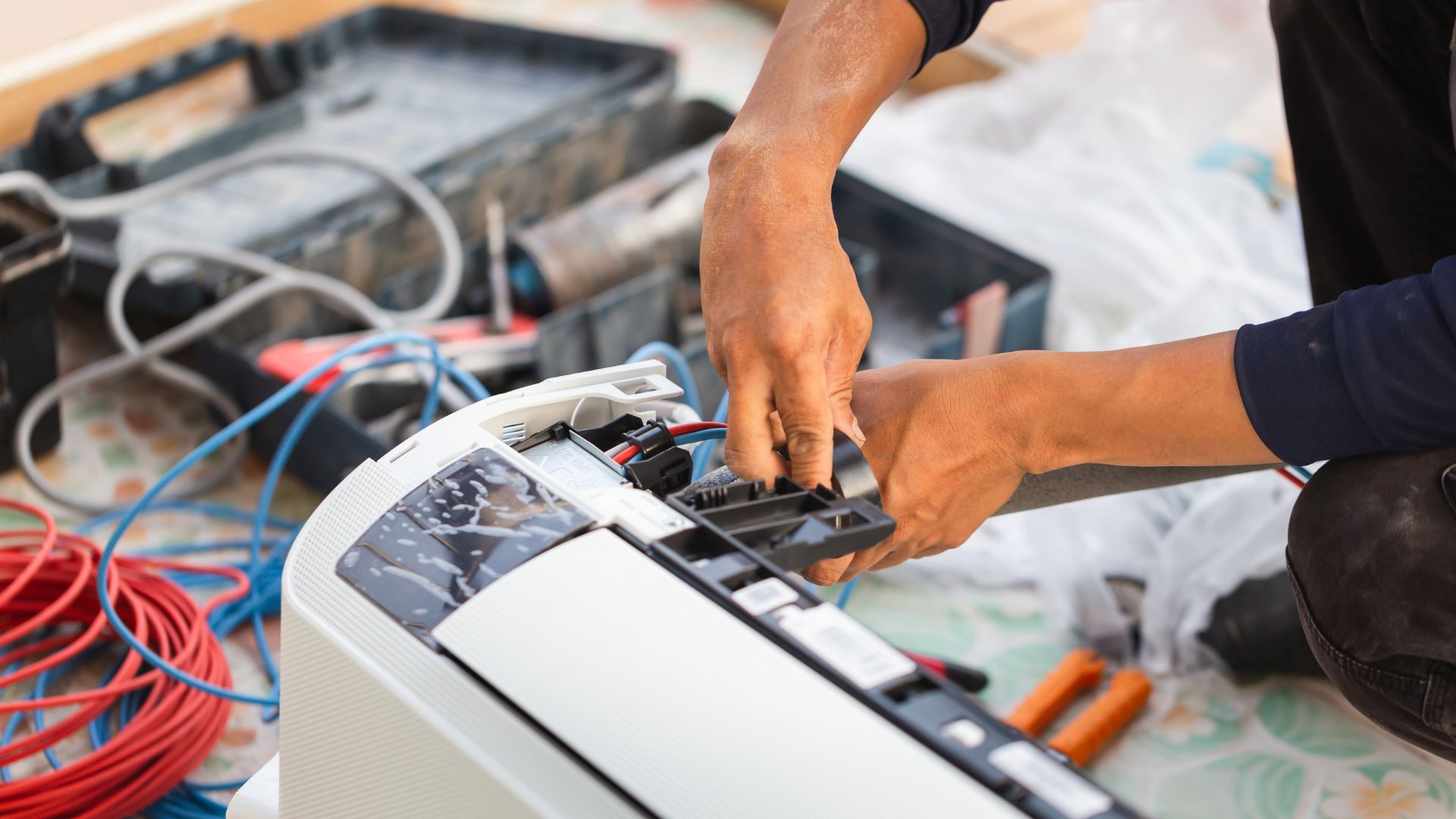
What Comfort Means Today
Cooling isn’t just a quick way to drop indoor temperature. Modern comfort blends steady temperatures, consistent airflow, quiet operation, and healthy indoor air. A thoughtful installation accounts for all four. That means matching equipment capacity to real home needs, avoiding oversized units that short-cycle, and ensuring airflow is balanced so every lived-in room feels similar. Even in compact residences, small design choices—return placement, filter access, and outdoor unit clearance—shape day-to-day comfort.
Right-Sizing Through Load Thinking
Sizing starts with understanding the building itself. Sun exposure, window area, insulation levels, air leakage, and occupancy patterns influence the cooling load. A careful assessment translates those factors into the right tonnage and airflow targets. Instead of relying on rule-of-thumb guesses, today’s best practice emphasizes room-by-room thinking: how a west-facing office heats up at dusk, how a shaded bedroom stays cooler, and how internal gains from cooking or electronics raise temperatures at specific times. This perspective helps avoid overcooling and improves energy use without sacrificing comfort.
Air Distribution and Duct Dynamics
Duct design is the backbone of comfort. Smooth, sealed runs hold static pressure in check and deliver air quietly. Kinks, crushed flex, or undersized returns can starve equipment of airflow and reduce efficiency. Thoughtful layouts keep duct lengths reasonable and turns gentle, while registers and returns are placed to support circulation rather than fight it. Even small upgrades—tight connections, correct filter sizing, and accessible service points—support better performance year-round. In tight spaces, short duct runs or alternative layouts can maintain comfort without compromising aesthetics.
Smart Controls and Practical Zoning
Controls have grown more intuitive, making it easier to tailor comfort to lifestyle. Smart thermostats learn patterns, use mild setbacks, and provide alerts that nudge timely attention. In homes with varied exposure—sunny living rooms and cool basements—zoning can distribute cooling more fairly. The key is proportional control: dampers and sensors that manage airflow without constant hunting. A well-tuned control strategy reduces temperature swings while keeping equipment from working harder than necessary.
Commissioning: The Quality Anchor
Installation quality shows up in the details checked before a system is declared ready. A structured commissioning process verifies that equipment and distribution align with design. Consider a straightforward sequence:
1) Confirm airflow targets across the system and key rooms.
2) Validate refrigerant charge within manufacturer parameters.
3) Check static pressure and address duct restrictions.
4) Test thermostat operation, schedules, and sensor placement.
5) Inspect condensate routing and safety shutoffs.
6) Review filter fit and accessibility.
7) Walk residents through basic operation and care.
When each step is handled carefully, day-one performance reflects the system’s potential, and surprises become far less likely.
Noise, Placement, and Aesthetics
Sound levels influence perceived comfort as much as temperature. Outdoor units positioned with adequate clearance and away from reflective corners help minimize noise transmission. Indoors, vibration isolation and proper airflow reduce whooshing or rattles. Routing linesets cleanly and keeping equipment accessible makes the system easier to live with and maintain. These design touches protect curb appeal and interior aesthetics without sacrificing performance.
Maintenance and Long-Game Thinking
Cooling systems are long-term home assets. Clear access for filters, coils kept clean, and unobstructed outdoor airflow all preserve efficiency. Owners benefit from simple routines—periodic checks, attention to airflow, and prompt resolution of unusual sounds or odors. Planning for future upgrades, like improved controls or distribution tweaks, ensures the system can adapt as the home changes. With the right foundation, comfort remains steady across seasons, even as weather patterns and household needs evolve.
Member spotlight:
Fleetwell Air Conditioning, Heating, and Plumbing
18356 Oxnard St #3
Tarzana, CA, 91356
747-349-3377
https://www.fleetwellusa.com/hvac-services-in-tarzana/
Choosing a local pro for [air conditioning installation tarzana] can make a meaningful difference in comfort and reliability. Fleetwell Air Conditioning, Heating, and Plumbing understands neighborhood microclimates and home layouts, helping systems perform smoothly in everyday conditions. Fleetwell Heating, Air Conditioning, & Plumbing is Southern California's leader in home services, and the team is ready when you need dependable support. Technicians bring deep know-how and a helpful, solutions-first mindset from the first call to the final walkthrough. Whenever you're in need of plumbing or HVAC help, reach out to Fleetwell for responsive guidance, clear communication, and a focus on long-term comfort.
